

Understanding the Importance of Gutter Installation in Arkansas
Gutter installation in Arkansas is more than just a residential enhancement task—it's a critical element of property security. The state encounters substantial rainfall, especially during early season and hot season, which can cause moisture damage if not adequately handled. Gutters play a crucial role in directing moisture away from a home's foundation, avoiding problems like underground overflow, earth degradation, and structural injury. In locations like Little Rock and Fayetteville, where strong downpour is frequent, correctly installed gutters are essential for keeping a residence's stability.
Arkansas property owners commonly ignore the importance of gutters until they face problems like moisture collecting near their groundwork or fungus development in their basement. A qualified gutter setup ensures that the network is customized to the specific needs of the home and the local climate. This includes considering the roof's slope, the variety of roof substance, and the surrounding terrain. Correct setup also supports protect the property's perimeter, including the cladding and glass panels, from moisture injury.
When it comes to gutter installation in Arkansas, the goal is to build a water handling setup that works effectively with the residence's design and the regional environment. This entails taking into regard the unique issues posed by Arkansas' weather, such as unexpected rainstorms and periodic tempests. A thoroughly planned installation can stop high fixes and extend the existence of the property's building.
Common Gutter Types Used in Arkansas
Gutters come in various types, each with its own advantages and suitability for different home styles and weather conditions. In Arkansas, residential use often favors certain types due to the state's climate and architectural preferences. The most common gutter types include seamless aluminum gutters, steel galvanized gutters, and polyvinyl gutters. Each of these options has specific benefits that make them ideal for the region.
Aluminum seamless gutters are popular in Arkansas because they are lightweight, durable, and resistant to rust. They are custom-made to fit a home's dimensions, reducing the risk of leaks. Galvanized metal gutters are another option, known for their strength and ability to withstand harsh weather conditions. However, they may require more maintenance in areas with high humidity. Plastic gutters are a budget-friendly choice, but they may not be as durable as metal options in the long run.
Choosing the right gutter type in Arkansas depends on factors like the home's design, the local climate, and the homeowner's preferences. For example, homes in the Ozark Mountains may benefit from more durable materials to handle extreme weather, while homes in central Arkansas might prioritize cost-effective solutions. Understanding the differences between gutter types can help homeowners make informed decisions about their installation.
In addition to the material, the shape of the gutter also plays a role in its effectiveness. K-shaped gutters are the most common in residential settings due to their aesthetic appeal and efficient water flow. Semicircular gutters, while less common, are often used in historic homes or areas with specific architectural styles. The choice of gutter type should align with both practical needs and the home's overall design.
How Arkansas Climate Affects Gutter Installation
The Arkansas climate has a direct impact on the installation and operation of gutters. The state experiences a humid subtropical climate, with hot summers and mild winters. This means that gutters must be able to manage heavy rainfall, specifically during storm season. In areas like Fort Smith and Hot Springs, where seasonal storms are typical, the installation process must account for these weather conditions to make sure long-term effectiveness.
Weather conditions in Arkansas can vary significantly from one region to another. For instance, the Ozark Mountains receive more extreme weather, including heavy snowfall in winter and intense thunderstorms in summer. This needs gutters to be installed with extra care, using materials that can withstand these challenges. In contrast, central Arkansas, with its hilly terrain, may have unique drainage calls for that influence the design and placement of gutters.
Storm wear is a major concern for property owners in Arkansas, notably during the spring and summer months. A well-installed gutter installation can assist stop water from pooling around the foundation, reducing the risk of structural wear. This is specifically essential in areas where the ground is prone to erosion or where homes are built on sloped land. Proper installation confirms that gutters can handle the volume of water during heavy rainfall without overflowing or becoming clogged.
Homeowners in Arkansas should also consider the long-term durability of their gutters. Materials that are resistant to corrosion and wear are essential for withstanding the state's weather conditions. This includes choosing gutters that can handle both high humidity and sudden temperature changes. A professional installation takes these factors into account, ensuring that the system is built to last through the state's varied climate.
Selecting the Right Materials for Arkansas Weather
Selecting the right materials for gutter installation in Arkansas is critical for confirming long-term operation and durability. The state's weather conditions, including heavy rainfall and seasonal storms, need materials that can withstand these challenges. The most typical choices include aluminum, steel, and vinyl, each with its own advantages and considerations.
Metal gutters are a popular option in Arkansas due to their lightweight nature and resistance to rust. They are available in a variety of colors and can be custom-fitted to a property's dimensions. This makes them a versatile option for both new installations and replacements. Nevertheless, lightweight gutters may not be as strong as steel alternatives in areas with extreme weather conditions.
Metal gutters, notably galvanized steel, offer greater strength and durability. They are ideal for homes in regions like the Ozark Mountains, where heavy storms are common. Still, durable gutters may require more maintenance, particularly in areas with high humidity. This is because they can be prone to rust if not appropriately sealed or coated.
Low-cost gutters are a cost-effective option that is easy to install and maintain. They are resistant to corrosion and do not require painting, making them a low-maintenance choice. However, they may not be as durable as metal options in the long run, especially in areas with frequent extreme weather. For homeowners looking for a budget-friendly solution, low-cost gutters can be a practical choice.
Material selection should also consider the home's architectural style and the surrounding environment. For example, homes in historic neighborhoods may benefit from more traditional materials, while modern homes may prioritize sleek, low-maintenance options. A professional gutter installation service can help homeowners choose the best materials based on their specific needs and the local climate.
Step-by-Step Guide to Professional Gutter setup
Professional gutter installation in Arkansas follows a organized procedure to guarantee that the system is functional and sustainable. The mounting method starts with an evaluation of the home's ceiling and nearby setting. This includes evaluating the top's slope, the type of top substance, and the previous gutter setup, if any. A extensive assessment assists determine the most suitable method for the installation.
The following stage requires determining the home's perimeter to determine the length and number of gutters required. This is vital for ensuring that the system is adequately sized to handle the volume of liquid during strong precipitation. Personalized gutters, such as seamless material choices, are commonly utilized in Arkansas to reduce the chance of breaks and increase effectiveness.
Once the dimensions are obtained, the setup team will label the sites for the gutters and downspouts. This includes identifying the angle of the gutters to confirm adequate water current. The gutters are then attached to the fascia area using holders and screws, ensuring a secure and stable setup. Water pipes are located to guide liquid off the home's ground, avoiding water damage and wear.
After the gutters are installed, the team will test the setup to ensure that water flows effortlessly and there are not any leaks. This is specifically crucial in Arkansas, where intense rainfall can fast overwhelm an incorrectly placed system. Any required changes are done at this phase to confirm maximum performance.
Finally, the mounting is finished, and the property owner is provided with care guidance to retain the system in excellent condition. This includes frequent washing and checks to avoid clogs and harm. A expert gutter installation in Arkansas ensures that the setup is built to endure, offering dependable security for the residence.
Local Building Codes and Regulations for Gutters in Arkansas
Compliance with local building codes and regulations is a important part of gutter installation in Arkansas. Each city and county may have specific requirements that must be followed to ensure safety and performance. For example, Fort Smith has rigid guidelines for gutter placement to handle seasonal storms, while Little Rock and Fayetteville have their own set of rules that homeowners must follow.
Arkansas structural codes often dictate the minimum size and material requirements for gutters. These codes are designed to ensure that the system can handle the state's heavy rainfall and prevent water damage. In some cases, the codes may require the use of specific materials, such as stainless steel or aluminum, to ensure durability and resistance to corrosion.
Homeowners should also be aware of the rules regarding downspout positioning. In many areas, downspouts should be directed away from the home's base to stop water from gathering. This is highly important in central Arkansas, where the rolling hills can lead to water drainage problems. Not adhering to these regulations can result in charges or the necessity of high-cost repairs.
Another important factor is the fitting of gutter barriers, which can assist avoid debris from blocking the device. While not always required, some regional rules may promote or force their usage to increase the effectiveness of the gutter device. Residential customers should contact with a experienced installer to guarantee that their system meets all relevant standards.
Local regulations also often mandate licenses for new gutter deployments. This is an important process that ensures the work is done securely and in compliance with the state's standards. A professional provider like AGM Gutters can help navigate these conditions, guaranteeing a seamless and compliant setup procedure.
Signals Your Gutters Require Repair in Arkansas
Even the best-installed gutters can develop issues over time, particularly in Arkansas where heavy rainfall and seasonal storms are typical. Residents should be aware of the signals that indicate their gutters may need repair. One of the most common indicators is water pooling around the foundation, which can lead to basement flooding and structural harm. This often occurs when gutters are clogged or improperly installed.
Another sign that gutters call for repair is sagging or pulling away from the house. This can happen if the brackets or hangers become loose, causing the gutters to lose their slope. In Arkansas, where heavy rain is regular, a misaligned gutter installation can rapidly lead to water damage. Residents should also look for noticeable cracks or holes in the gutters, which can allow water to escape and cause wear to the residence's exterior.
Overflowing gutters during rainstorms are another clear indicator that something is wrong. This can be caused by clogs from leaves, debris, or even ice buildup in colder months. In areas like the Ozark Mountains, where snow and ice are more typical, gutters may call for further assistance to avoid damage during winter. Consistent inspections can help catch these issues early, preventing more extensive repairs down the line.
Water stains or mold growth on the walls or siding of a home can also signal gutter problems. These signs are often a result of water not being properly directed away from the home. In Arkansas, where humidity levels can be high, mold growth is a common concern that should not be ignored. Addressing gutter issues promptly can help prevent long-term damage and costly repairs.
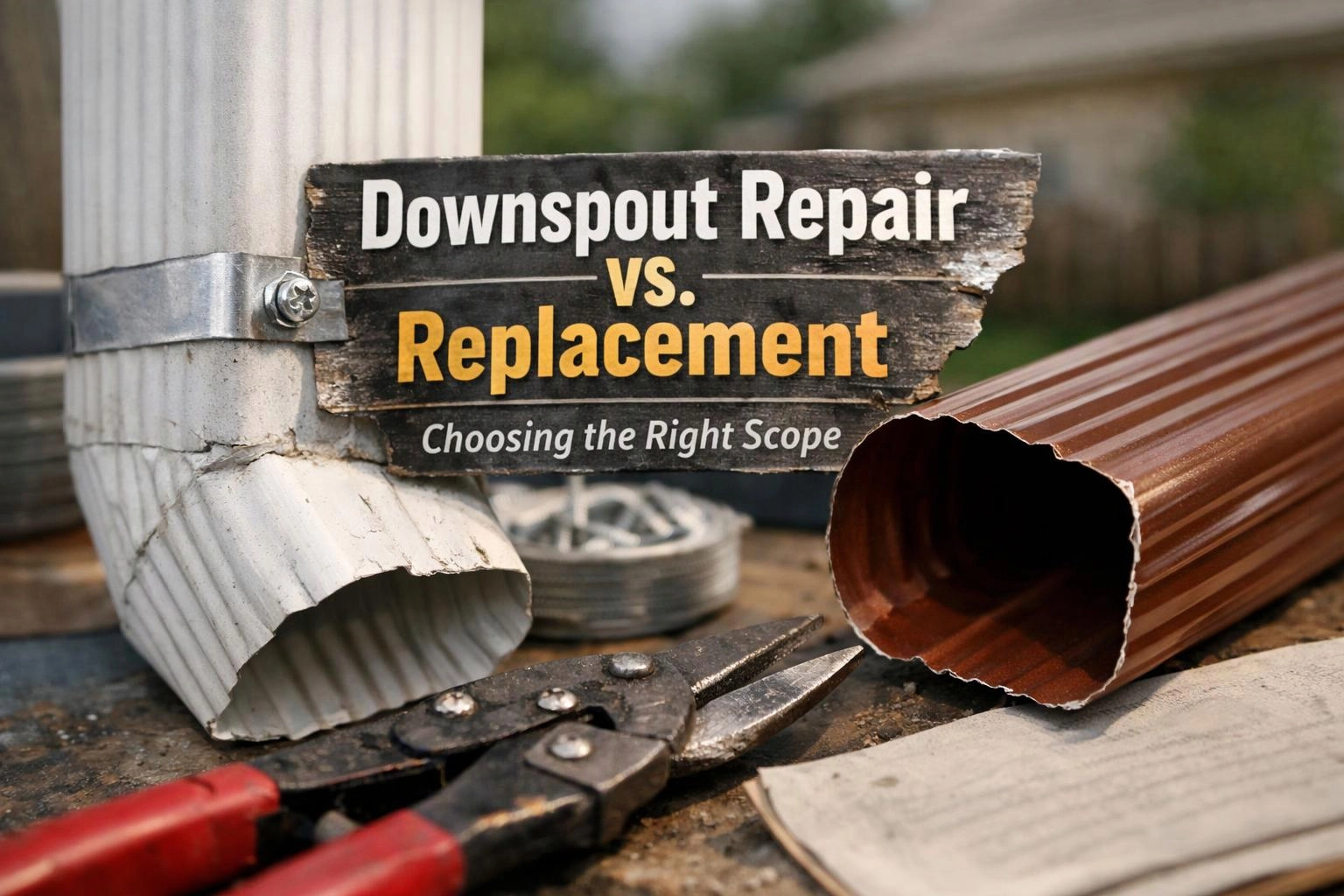
Homeowners should also pay attention to the condition of the downspouts. If they are bent, broken, or disconnected, water may not be properly directed away from the home. This can lead to water pooling near the foundation and increasing the risk of damage. Regular maintenance and timely repairs are essential for keeping the gutter system in good working order.
Maintenance Tips for Gutters in Arkansas
Maintaining gutters in Arkansas is essential for ensuring their effectiveness and longevity. The state's heavy rainfall and seasonal storms mean that gutters can quickly become clogged with leaves, twigs, and other debris. Frequent cleaning is one of the most important maintenance tasks, as clogged gutters can lead to water overflow and damage to the home's foundation.
Homeowners should aim to clean their gutters at least two times a year, ideally in the spring and fall. This helps remove any buildup that may have accumulated during the previous season. In areas like Little Rock and Fayetteville, where rainfall is frequent, extra cleaning may be necessary to prevent clogs and water damage. Using a ladder and gloves, homeowners can manually remove debris and ensure that the gutters are free of obstructions.
In addition to cleaning, regular inspections are important for identifying potential issues before they become major problems. Homeowners should check for signs of sagging, cracks, or loose brackets that could affect the performance of the gutters. In the Ozark Mountains, where extreme weather is common, increased inspections may be necessary to ensure the system remains in good condition.
Another important maintenance tip is to ensure that downspouts are properly directing water away from the home's foundation. This can be done by adding the downspouts or installing splash blocks to prevent water from pooling near the base of the house. In central Arkansas, where the terrain is hilly, effective downspout placement is crucial for effective water management.
Homeowners should also consider installing gutter guards to lower the amount of debris that enters the system. These guards can help prevent clogs and reduce the need for regular cleaning. However, it's important to choose a guard that is compatible with the type of gutters installed and the local climate. A professional service like AGM Gutters can provide guidance on the best options for Arkansas homes.
What are the most common types of gutters used in Arkansas?
The most common types of gutters used in Arkansas include seamless aluminum, galvanized steel, and vinyl gutters. Seamless aluminum gutters are popular due to their durability and resistance to rust. Galvanized steel gutters offer strength and are suitable for areas with extreme weather conditions. Vinyl gutters are a budget-friendly option that is easy to install and maintain.
How do climate conditions in Arkansas affect gutter installation?
Arkansas' climate, which includes heavy rainfall and frequent tempests, directly impacts gutter installation. The setup procedure must account for these weather conditions to ensure the system can handle the quantity of water during copious precipitation. Components and configuration options are adapted to the local climate to prevent issues like moisture damage and soil erosion.
What components are most appropriate for Arkansas environment?
Materials that are best suited Arkansas weather include vinyl. Aluminum gutters are lightweight and corrosion-resistant, making them suitable for the state's moist environment. Aluminum gutters, particularly galvanized steel, deliver resilience and strength, which is essential in areas with extreme weather. Aluminum gutters are a affordable choice that is easy to maintain.
What is the typical cost of gutter installation in Arkansas?
The average cost of gutter installation in Arkansas differs depending on elements such as the kind of supplies used, the dimensions of the home, and the difficulty of the installation. On typical, homeowners can expect to pay between $500 and $2,500 for a professional installation. This interval includes the expense of materials, effort, and any extra support needed for the endeavor.
How often should gutters be tidied in Arkansas?
Gutters in Arkansas should be cleaned at least twice a year, ideally in the spring and fall. https://fayetteville-ar.agmguttershorsehoebend.com/ This helps remove debris that can cause clogs and water overflow. In areas with heavy rainfall, such as Little Rock and Fayetteville, more frequent cleaning may be necessary to prevent damage to the home's foundation and exterior.