

Gutters fulfill a critical role in safeguarding your home from moisture damage, especially in a state like Arkansas, where climatic conditions can be unpredictable. Comprehending the average longevity of gutters in Arkansas is essential for homeowners aiming to make informed options about their property. This guide explores the aspects that influence gutter endurance, the most suitable materials for the area, and how to guarantee your gutters operate efficiently for many years.
Factors Affecting Gutter lifespan in Arkansas
The mean lifespan of gutters in Arkansas can change depending on several critical factors. From the regional climate to the components applied, each component has a function in how long your gutters will survive. Knowing these aspects can help you choose more effective decisions for your residence.
Arkansas
Arkansas has a damp temperate climate, characterized by boiling seasons and mild seasons. This environment can result in regular rain, especially in places like Little Rock and Fayetteville. The combination of extreme moisture and intense precipitation can accelerate damage on gutters, which makes crucial to pick elements that can handle these circumstances. Moreover, temperature variations can cause increase and reduction, which may cause fissures or leaks eventually.
Gutter substances
The type of material used for your gutters is one of the most crucial factors in establishing their lifespan. Typical substances include aluminum, steel, copper, and vinyl. Each has its own advantages and disadvantages when it comes to toughness and capacity to endure to climatic impacts. For example, aluminum is easy to carry and less likely to be affected to rust, while steel can be prone to corrosion if not properly treated. Picking the best material for your home can create a considerable variation in how long your gutters end.
Mounting Quality
Even the best components can fail if installed incorrectly. A badly installed gutter system can cause water pooling, leaks, and foundation issues. In Arkansas, where the environment can be extreme, it's important to confirm that your gutters are set up with correct slope and drainage setup. Expert placement is often the best way to guarantee that your gutters are set up correctly and will survive for many years.
Care Practices
Regular care is another key factor in the lifespan of your gutters. https://blogfreely.net/systemsecure51/understanding-understanding-the-most-common-gutter-types-in-arkansas-scope Without proper care, gutters can become obstructed with foliage, debris, and other materials, resulting to excess water and harm. A ongoing maintenance schedule, including washing and examination, can help increase the life of your gutters. In Arkansas, where rain is usual, it's particularly crucial to check your gutters following strong storms to ensure they're working adequately.
Typical Gutter Materials and Their Durability in Arkansas
Selecting the right material for your gutters is essential, specifically in a region like Arkansas where weather conditions can be extreme. Each material has its own advantages and disadvantages, and knowing these can support you make an informed decision.
Aluminum Gutters
Aluminum gutters are a popular option in Arkansas due to their lightweight nature and resistance to rust. https://docs.localcharts.org/new They are relatively easy to install and can last for 20 years or more with correct maintenance. However, they can be prone to dents, specifically in areas with frequent storms. Despite this, aluminum is a cost-effective option that offers good durability for most homeowners.
Steel Gutters
Steel gutters are known for their strength and durability. They can withstand heavy rain and strong winds, making them a good option for areas with common storms. However, steel is more susceptible to rust and corrosion, particularly in high-humidity environments like Fayetteville. To combat this, many steel gutters are coated with a protective layer, which can help extend their lifespan.
Copper Gutters
Copper gutters are a premium option that offers both durability and aesthetic appeal. They are resistant to corrosion and can last for 50 years or more with correct care. However, they are more costly than other materials and may need experienced installation. In Arkansas, copper gutters are commonly chosen by homeowners who want a long-lasting and visually appealing solution.
Vinyl Gutters
Vinyl gutters are a budget-friendly option that is easy to install and maintain. They are resistant to rust and corrosion, making them a good choice for areas with high humidity. However, they can become brittle over time, especially in extreme temperatures. In Arkansas, where temperature fluctuations can be significant, vinyl gutters may not be the best choice for long-term use.
Climate Impact on Gutter Operation in Arkansas
The climate in Arkansas has a direct impact on how well your gutters perform. Knowing the local weather patterns and how they affect your gutter system can support you make better decisions about upkeep and repairs.
Arcansas Weather
Arkansas experiences a wide range of weather conditions throughout the year, from heavy rainfall to sudden temperature changes. These conditions can put a lot of stress on your gutter setup. For example, in areas like Little Rock, springtime rainfall can be especially heavy, leading to increased strain on gutters. Similarly, high humidity in Fayetteville can accelerate corrosion, particularly in metal gutters.
Rainfall Patterns
Rainfall patterns in Arkansas vary by region, but most areas experience major amounts of precipitation, especially during the spring and summer months. In Little Rock, for instance, the average rainfall can be quite high, which means gutters need to manage a lot of water. This can lead to clogging and overflow if not correctly maintained. In Fort Smith, where storm frequency is higher, gutters must be sturdy enough to withstand heavy rainfall and strong winds.
Temperature Fluctuations
Temperature fluctuations can also affect the operation of your gutters. In Arkansas, where temperatures can swing from warm to cold within a short period, materials can expand and contract, leading to stress on the installation. This is particularly true for metal gutters, which can be more prone to warping or cracking under these conditions. Picking materials that are designed to handle these changes is crucial for long-term operation.
Storm Frequency
Arkansas is no stranger to storms, and the frequency of these events can have a major impact on your gutter installation. https://catsupcheque13.bravejournal.net/smart-tips-for-choosing-gutter-installation-in-pine-bluff In areas like Oklahoma City, which is near the Arkansas border, tornado activity can lead to debris and damage that affects gutters. In Fort Smith, where storms are typical, it's critical to have gutters that are durable and properly installed to withstand these conditions. Regular inspections and maintenance are essential to ensure your gutters can handle the stress of frequent storms.
Leading Gutter Materials for Arkansas Weather Conditions
Picking the right materials for your gutters in Arkansas is vital for ensuring they can withstand the local weather conditions. The best materials will offer a balance of durability, weather resistance, and maintenance needs, making them suitable for the region.
Metal Durability
Metal durability is a important factor when selecting gutter materials in Arkansas, especially in areas with high humidity. Materials like aluminum and copper are inherently resistant to rust and corrosion, making them great choices for long-term use. In Fayetteville, where humidity levels are high, selecting materials with strong corrosion resistance can help prevent damage and extend the lifespan of your gutters.
Sturdiness
Durability is another vital consideration, particularly in areas with frequent storms and heavy rainfall. Materials like steel and copper are recognized for their strength and ability to withstand harsh weather conditions. In Fort Smith, where storms are common, durable materials can help ensure your gutters remain working even after severe weather events. It's also crucial to consider the weight of the materials, as heavier options may need additional support.
Environmental Resistance
Environmental resistance is essential for gutters in Arkansas, where they must handle everything from heavy rain to sudden temperature changes. Materials that are developed to handle these conditions can provide enhanced protection for your home. For example, in Little Rock, where springtime rainfall is heavy, weather-resistant materials can help prevent overflow and damage. Picking materials that are tested for performance in local conditions can make a big difference in how well your gutters perform over time.
Maintenance Needs
Maintenance requirements vary depending on the material you choose. Some materials, like vinyl, need less maintenance but may not last as long as others. Others, like copper, may demand more care but offer long-term benefits. In Arkansas, where regular maintenance is crucial, it's important to choose materials that are straightforward to clean and inspect. This can help you spot issues early and prevent costly repairs down.
Gutter Installation Best Practices in Arkansas
Proper installation is vital for making sure your gutters work efficiently and last as long as possible. In Arkansas, where weather conditions can be severe, complying best practices for gutter installation is important for long-term function.
Experienced Installation
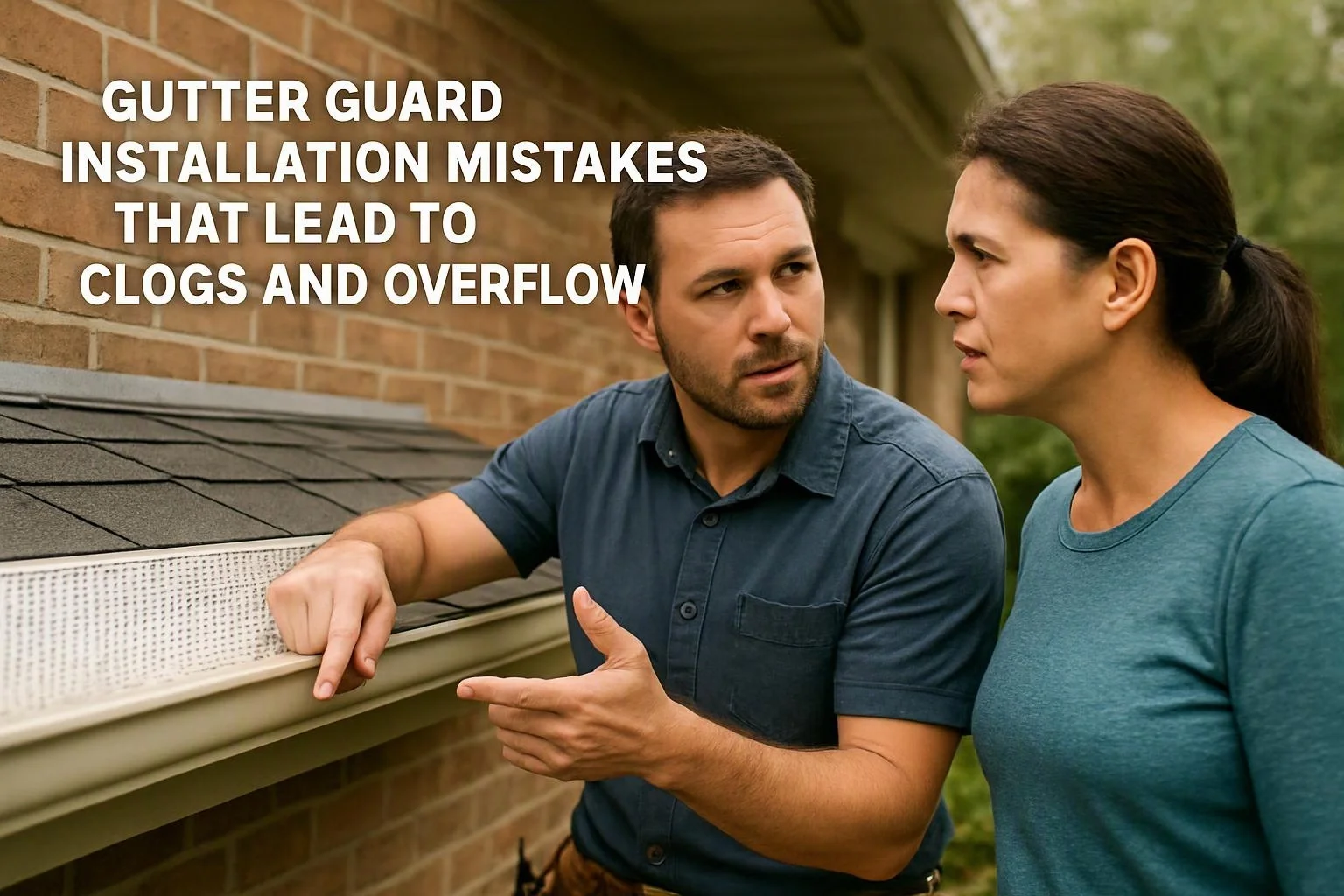
While some homeowners may seek to put in gutters by themselves, qualified installation is frequently the optimal option, especially in a state like Arkansas. Qualified technicians grasp the regional environment and can ensure that your gutters are placed properly. This involves correct gradient, firm attachment, and correct drainpipe position. In locations like Little Rock, where intense precipitation is common, professional installation can help prevent liquid damage and make sure your gutters operate properly over time.
Arkansas building Rules
Arkansas has particular structural rules that regulate gutter installation to guarantee security and adherence. These codes may involve standards for material kinds, installation approaches, and framework assistance. It's vital to collaborate with a professional who is knowledgeable with these rules to guarantee your gutter setup satisfies all necessary requirements. In urban areas like Fayetteville, where regional rules may vary slightly, complying these guidelines is essential for a effective installation.
Incline Requirements
The gradient of your gutters is vital for proper liquid flow. A adequate slope ensures that water flows effectively into the downspouts and away from your residence. In Arkansas, where intense rainfall is usual, a correctly angled gutter network is vital for preventing moisture accumulation and possible injury. Professionals will calculate the proper slope based on the dimensions and arrangement of your property, ensuring best results.
Drainpipe Placement
Water pipe position is another crucial element in gutter installation. Adequate location makes sure that water is led from from your residence's base. Avoiding issues like cellar inundation and ground erosion. In regions like Fort Smith, where cyclone rate is high, strategic drainpipe placement can assist control considerable amounts of liquid. Experts will evaluate your land and suggest the optimal spots for water pipes to enhance efficiency.
FAQ
What are the most common types of gutters used in Arkansas?
The most common types of gutters in Arkansas include aluminum. Each type has its own merits, with copper being popular for its low weight and rust resistance, and aluminum being selected for its strength and aesthetic appeal. Vinyl gutters are often selected for their cost-effectiveness and ease of installation.
How do climate conditions in Arkansas affect gutter installation?
Arkansas's weather, marked by extreme dampness, substantial precipitation, and climate variations, can greatly affect gutter installation. These conditions require components and installation approaches that can resist the regional conditions. For example, in locations like Little Rock, where early season downpours is substantial, gutters must be designed to deal with significant volumes of moisture effectively.
Which materials are most suited for Arkansas climate?
Materials that provide robust rust defense, durability, and element protection are most suited for Arkansas. Sheet metal and metal gutters are frequently recommended due to their capacity to handle moisture and heavy rainfall. Steel gutters, when properly handled, can also be a excellent option, especially in locations with regular storms.
How much is the average price of gutter installation in Arkansas?
The price of gutter installation in Arkansas can fluctuate depending on the materials selected, the scale of the home, and the difficulty of the installation. On usual, homeowners can anticipate to pay between $500 and $1,500 for a standard setup. Skilled technicians like AGM Gutters can supply precise quotes based on your specific needs and the regional climate.
What are the steps involved in experienced gutter assembly?
Professional gutter installation typically features multiple critical steps, such as reviewing the site, picking that appropriate supplies, determining & cutting that gutters, putting them using correct inclination, & setting gutters properly. At Arkansas, in weather scenarios might exist difficult, experts ensure which every aspects of that process are executed correctly to enhance effectiveness and endurance.