

Why Gutter Installation Matters in Arkansas
Gutter installation is a essential part of home maintenance, especially in Arkansas. The state experiences a variety of weather conditions, from heavy rainfall to sudden storms, which can cause significant wear if not appropriately managed. Gutters help direct water away from your home's foundation, preventing concerns like basement flooding, soil erosion, and structural wear. Without correct gutter setups, residents may face expensive repairs that could have been avoided with timely installation and servicing. For trustworthy Gutter Installation in Arkansas in Arkansas, AGM Gutters offers experienced guidance and practical solutions.
Arkansas weather can be unpredictable, with sudden downpours and high humidity levels. This makes gutter installation not just a convenience but a necessity for any homeowner. The right gutter system can protect your home from the elements and ensure long-term durability. Understanding the importance of gutter installation is the first step in making informed decisions about your home's protection.
Homeowners in Arkansas should consider the impact of weather on their property when planning for gutter installation. The state's climate can lead to frequent storms, which can overwhelm poorly installed systems. Choosing the right materials and design for your gutters can make a big difference in how well they perform during these events. Whether you live in Little Rock, Fayetteville, or any other city in Arkansas, investing in quality gutter installation is a smart decision.
Common Gutter varieties Used in Arkansas
When it comes to gutter installation in Arkansas, there are several varieties of gutters present to suit various demands and tastes. The most popular options feature vinyl, alloy and steel gutters, each with its own advantages and cons. Grasping the differences between these substances can assist homeowners formulate an knowledgeable decision that corresponds with their financial plan and prolonged goals.
Domestic employment in Arkansas frequently entails picking gutters that are and useful and cost-effective. Plastic gutters are a favored option for many property owners because they are inexpensive and easy to put in. However, they may not be as sturdy as other substances, especially in regions with intense weather. Alloy gutters, on the other side, supply a excellent balance of resilience and affordability, making them a common selection for many residences in the region.
Steel gutters are another choice, though they are fewer frequently applied in Arkansas due to their greater cost and likelihood for corrosion. Residents in regions like Fort Smith and Springdale may locate that metal gutters offer the optimal mix of strength and worth. The correct selection will rely on your specific requirements, the climate in your region, and your total financial plan for gutter setup.
Plastic Gutters in Little Rock and Fayetteville
Polymer gutters are a well-liked selection for homeowners in Little Rock and Fayetteville due to their affordability and simplicity of setup. These gutters are lightweight and resistant to rusting, making them a good choice for places with significant moisture and common rainfall. They are also accessible in a variety of shades, enabling residents to coordinate their gutters to the outside of their residences.
Even though polymer gutters are budget-friendly, they may not be the ideal selection for all situations. They can become brittle over duration, especially in intense climate. This implies they may have to to be swapped often than other materials. However, for property owners looking for a low-cost option, plastic gutters can be a practical choice, especially in places where the weather is less intense.
Homeowners in Little Rock and Fayetteville should consider the local weather when picking vinyl gutters. The region encounters heavy precipitation, which can put additional stress on gutter systems. Selecting a top-notch vinyl item and confirming proper placement can aid extend the duration of these gutters. Frequent care is also crucial to avoid clogs and guarantee best operation.
Aluminum Gutters in Fort Smith and Springdale
Aluminum gutters are a common choice for homeowners in Fort Smith and Springdale due to their sturdiness and resistance to oxidation. These gutters are easy to handle, making them simpler to set up, and they can withstand the harsh conditions typical in Arkansas. Their strength and longevity make them a dependable option for many home locations in the region.
Aluminum gutters are found in a range of designs, including K-style and half-round, enabling homeowners to pick the look that fully fit their home. They are also present in multiple shades, providing adaptability in matching the perimeter of the home. This flexibility makes them a popular choice for both recent setups and updates.
Homeowners in Fort Smith and Springdale should consider the prolonged gains of aluminum gutters. While the initial expense may be higher than vinyl, their sturdiness and small service needs can make them a greater affordable choice over time. Correct placement and frequent washing are vital to ensure these gutters function properly for years to come.
How Arkansas Climate Affects Gutter Installation
The weather in Arkansas plays a important part in the effectiveness of gutter installation. The state faces a mix of weather conditions, including severe rainfall, storms, and periodic snow in the northern areas regions. These factors can affect the function and endurance of gutter systems, making it important for property owners to choose the best supplies and placement approaches.
Arkansas climate can be uncertain, with quick shifts that can cause to weather damage. Gutters needs be created to deal with significant volumes of water, especially in areas like Little Rock and Fayetteville, where precipitation is regular. Correct placement guarantees that gutters can successfully direct water away from the property, avoiding issues such as cellar water ingress and foundation damage.
Homeowners should also consider the period of gutter placement. Putting in gutters during the arid time can help prevent delays caused by rain. However, it's crucial to plan ahead, as the right period for placement may differ based on the particular area and nearby weather trends. Grasping these elements can assist ensure a smooth and productive gutter placement procedure.
Top Options for Arkansas climate
Choosing the proper options for gutter installation in Arkansas is important for long-term function and sturdiness. The state's environment, with its combination of intense precipitation and occasional severe climates, calls for options that can endure these situations. Property ought to consider choices that supply both element resistance and durability to guarantee their gutters work effectively for decades to follow.
Aluminum and metal are both of the most common choices employed for gutters in Arkansas. Aluminium is known for its resistance to oxidation and decay, creating it a popular choice for many homeowners. Metal gutters, while more robust, can be considerably costly and may need additional care to prevent oxidation. The option between these choices will rely on your budget, the climate in your region, and your extended goals.
Additional options, such as vinyl, and metallic, are as well available but may not be more suitable for the Arkansas environment. PVC gutters are cost-effective but may not endure as long as additional materials. Metallic gutters offer a special appearance but can be considerably pricy and may need more frequent maintenance. Homeowners need to weigh the benefits and cons of each choice before executing a selection.
Expense of Gutter Installation in Arkansas
The cost of gutter installation in Arkansas can change depending on several factors, including the type of materials used, the size of the home, and the complexity of the installation. On average, homeowners can expect to pay between $3 and $10 per linear foot for professional installation. This range can help homeowners plan their budget and assist informed decisions about their gutter systems.
Material costs are a important factor in the overall price of gutter installation. Vinyl gutters are typically the most affordable option, while aluminum and steel gutters may be more expensive. Copper gutters, while uncommon, can be significantly more expensive. Homeowners should evaluate the long-term value of their investment when choosing materials, as higher-quality options may require less maintenance and endure longer.
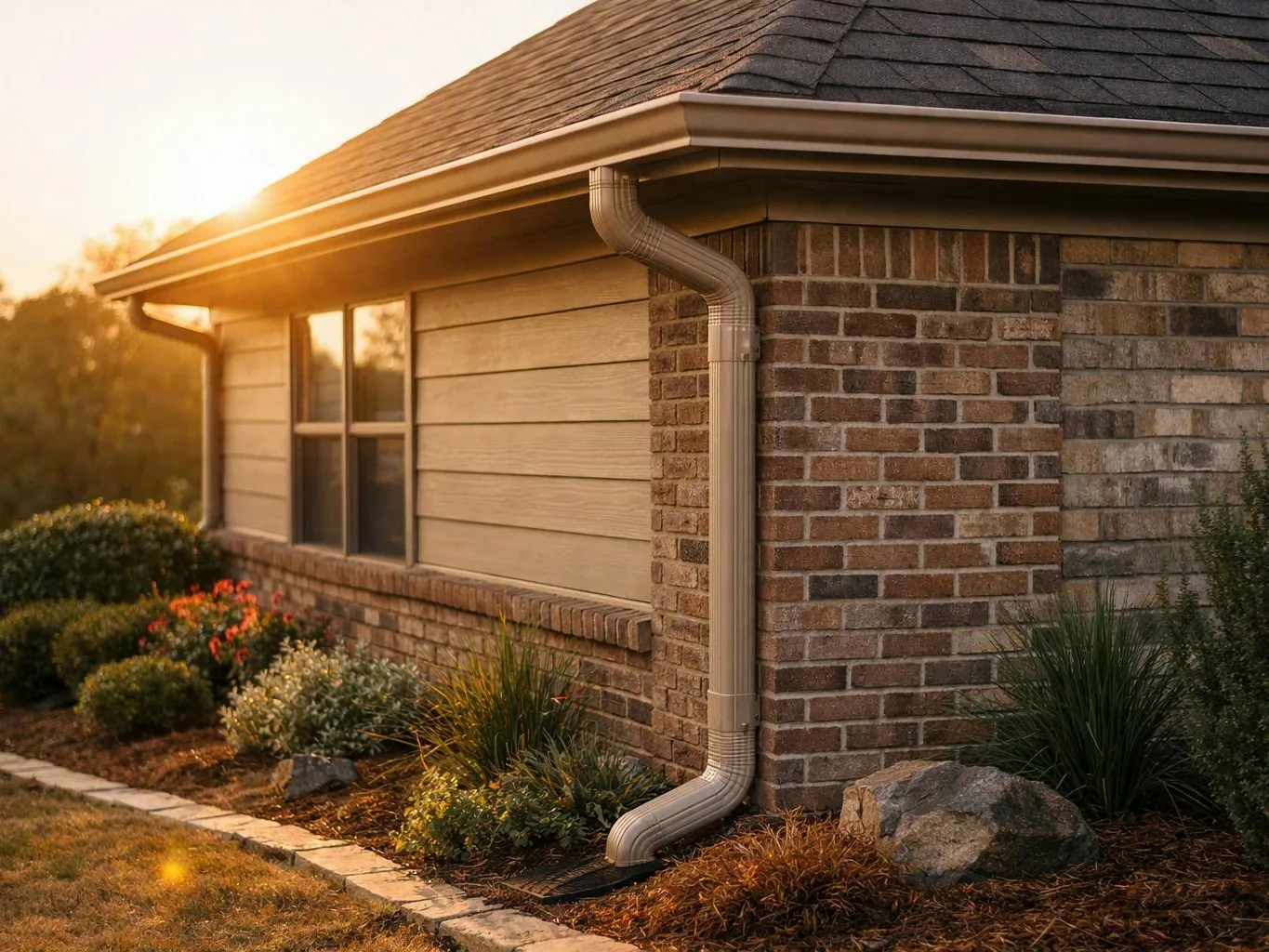
Installation prices can also vary depending on the contractor and the region. In cities like Little Rock and Fayetteville, where demand for gutter services is elevated, prices may be somewhat more expensive. However, homeowners should also evaluate the quality of service and the reputation of the contractor when making their decision. A well-installed gutter system can provide long-term benefits and help protect the home from weather-related damage.
Professional Gutter assembly Steps
Professional gutter installation involves several key steps to ensure the system functions effectively and lasts for years. The process typically begins with an evaluation of the home's roof and existing gutter system. A professional contractor will evaluate the roof's slope, the amount of rainfall in the area, and any potential issues that may affect the installation.
Once the review is complete, the contractor will determine the home to assess the amount of materials needed. This step is important for ensuring that the gutters are the right size and can handle the expected water flow. The contractor will also consider the type of materials to be used, as different materials may require different installation techniques.
After the dimensions are taken, the installation process commences. This includes mounting the gutters along the roofline, fastening them with brackets, and linking them to downspouts. The final procedure involves evaluating the system to ensure it functions properly and channeling water away from the home as intended. A professional assembly can support prevent future issues and ensure the gutters function optimally.
Gutter upkeep and Cleaning in Arkansas
Maintaining gutters is crucial for ensuring they operate properly and last for many years. In Arkansas, where heavy rainfall are common, ongoing sweeping and maintenance can prevent clogs and flood damage. Property owners should plan regular inspections to spot any issues before they become significant problems.
Maintaining gutters involves removing waste such as leaves, twigs, and dirt that can accumulate over time. This should be done no less than twice a year, ideally in the first half of the year and fall. In regions like Little Rock and Fayetteville, where precipitation is frequent, increased maintenance may be important to avoid obstructions. A blocked gutter can lead to excess water, which can damage the upper part of the home.
Homeowners should also check for signals of degradation, such as drips, sagging, or oxidation. These challenges can affect the effectiveness of the gutters and may require repairs. Frequent care not only prolongs the lifespan of the gutters but also assists safeguard the residence from climate-related issues. By taking initiative with maintenance, residents can save funds on expensive fixes in the future.
Arkansas Building Codes for Gutters
Arkansas has specific building codes and regulations that govern gutter installation to ensure safety and compliance. These codes are in place to protect homeowners and ensure that all gutter systems meet minimum standards for performance and durability. Understanding these regulations is vital for anyone planning to install or replace gutters in the state.
Building codes in Arkansas typically cover aspects such as the measurements and placement of gutters, the type of materials that can be used, and the essential installation methods. These regulations help ensure that gutters are installed properly and can effectively manage water runoff. Homeowners should consult local authorities or a qualified contractor to understand the particular requirements in their area.
Compliance with local regulations is vital to avoid potential issues during inspections or when selling a home. In cities like Fort Smith and Springdale, where there may be further local requirements, it's crucial to work with a trusted contractor who is acquainted with these codes. By following the guidelines, homeowners can ensure their gutter systems are safe, functional, and up to code.
Signs You Need Gutter Repair in Arkansas
Knowing the signs that indicate the need for gutter repair is crucial for maintaining the integrity of your home. In Arkansas, where weather conditions can be unreliable, regular inspections can help identify issues before they become significant problems. Homeowners should be knowledgeable of the common signs that indicate their gutters may need repair or replacement.
One of the most common signs of gutter damage is water accumulating around the foundation of the home. This can lead to basement flooding and structural harm if not addressed quickly. Other signs include sagging gutters, leaks, or noticeable rust and corrosion. These issues can influence the performance of the gutter system and may require professional attention.
Homeowners should also check for indications of moisture damage on the walls or ceiling, as this can suggest that the gutters are not functioning correctly. In areas like Fayetteville and Little Rock, where frequent downpours is common, it's essential to resolve these concerns as soon as they are observed. Regular maintenance and quick solutions can aid prevent more severe damage and guarantee the gutters keep to guard the residence properly.
FAQ
What are the most common kinds of gutters used in Arkansas?
The most common types of gutters used in Arkansas include plastic drainage systems, lightweight alloy downspouts, and heavy-duty drainage systems. Plastic gutters are popular for their low cost and simple setup, while metal gutters offer a ideal combination of durability and price. https://conway-ar.agmguttershorsehoebend.com/ Heavy-duty gutters are less common due to their more expensive and tendency to rust. Each type has its own benefits and is appropriate for different demands and money allocations.
How do environmental factors in Arkansas affect gutter mounting?
Arkansas experiences a variety of weather scenarios, including intense precipitation and rapid storms, which can affect the effectiveness of gutter installations. The right materials and placement approaches are critical to guarantee gutters can handle these conditions. Property owners should evaluate the area environment when picking materials and planning for setup to confirm long-term durability and efficiency.
Which supplies are ideal appropriate for Arkansas weather?
Aluminum and aluminum are among the best components for gutter installation in Arkansas due to their durability and ability to resist to oxidation. Steel is a well-known option for its lightweight and anti-corrosive features, while steel offers more strength. Plastic gutters are also applied in some areas, though they may not be as durable in severe conditions. Choosing the proper substance is important for long-term performance and security.
What tends to be the usual expense of gutter installation in Arkansas?
The expense of gutter installation in Arkansas can change depending on the variety of materials used, the dimensions of the home, and the intricacy of the setup. On usual, homeowners can expect to pay between $3 and $10 per running foot for qualified installation. Material prices and area work charges can also impact the entire charge. It's vital to get multiple proposals from credible contractors to confirm a fair and accurate quote.
What are the procedures involved in professional gutter setup?
Expert gutter placement typically involves several key steps, including an first review of the home, calculating for supplies, and setting up the gutters along the eaves. The workflow also includes attaching the gutters with brackets and connecting them to drainpipes. A skilled installer will confirm the system is adequately set up and tested for best operation. This ensures that the gutters function effectively and protect the home from weather-related issues.