

Why Commercial Gutter Installation Matters in Arkansas
Commercial homes in Arkansas rely on reliable gutter setups to shield their structures from the region's unique weather conditions. The state experiences a mix of heavy rainfall, temperature fluctuations, and occasional storm events that can all impact the integrity of a building. Without proper gutter installation, water can seep into foundations, cause erosion, or lead to mold and structural damage. This is why commercial gutter installation is not just a convenience—it's a necessity for upholding the long-term health of buildings in Arkansas. For trustworthy Gutter Installation in Arkansas in Arkansas, AGM Gutters provides experienced advice and practical solutions.
Arkansas weather can be unpredictable, with sudden downpours and periods of extreme heat or cold. These conditions place a major burden on gutter systems, making it crucial to select the right design and materials. Commercial properties, such as office buildings, shopping centers, and industrial facilities, require robust solutions that can handle high volumes of water and withstand the elements over time.
Proper gutter installation also plays a role in the overall aesthetics of a commercial property. Well-maintained gutters contribute to a professional appearance, which is especially important for businesses that rely on curb appeal to attract customers. Whether in Little Rock, Fayetteville, or any other city in Arkansas, the importance of reliable gutter systems cannot be overstated.
Common Gutter Types Used in Arkansas
In Arkansas, the choice of gutter type often depends on the specific needs of the commercial property and the local climate. Residential and commercial gutter systems differ in size, material, and design, with commercial applications typically requiring more durable and high-capacity options. Common gutter styles include K-shaped half-round, and rectangular gutters, each offering unique benefits for different building structures.
The Arkansas climate, with its mix of heavy rainfall and temperature changes, influences the selection of gutter materials. Aluminium and steel are popular choices for commercial installations due to their strength and resistance to corrosion. Plastic gutters, while common in residential settings, are less frequently used in commercial applications because they may not hold up as well under extreme weather conditions.
Residential vs. commercial gutter systems also vary in terms of size and capacity. https://pad.nixnet.services/Wqz4cxBxQs-BanjqoiwvSg Commercial buildings often require larger gutters to handle the volume of water that accumulates on larger roof surfaces. This is especially true in cities like Springdale, where urban development has increased the need for efficient drainage solutions. Choosing the right gutter style ensures that water is directed away from the building's foundation, preventing long-term damage.
How Arkansas Weather Impacts Gutter Installation
The meteorological factors in Arkansas play a vital role in deciding the efficiency of gutter systems. The state's mean yearly rain, which can reach up to 50 inches in cities like Little Rock, requires gutters that can manage large volumes of water without spilling. Heavy rainfall, combined with regular lightning storms, means that commercial properties must have gutters that are both resilient and efficient.
Temperature shifts in Arkansas can also influence gutter operation. Abrupt falls in temperature can lead to ice build-up, which can lead to gutters to lower or even detach from the property. This is particularly vital for commercial properties in areas like Fayetteville, where early spring tempests bring both strong rain and uncertain climates. Correct setup techniques, such as using fortified supports and guaranteeing proper inclination, support stop these issues.
Storm conditions in Arkansas, including severe winds and hail, can also impact gutter systems. Commercial buildings in regions like the central part of the state, which experiences similar weather patterns to Tulsa, Oklahoma, must be prepared for these challenges. Installing gutters with robust fastening systems and using weather-resistant materials can help guard against storm damage.
Top Options for Gutter Installation in Arkansas
Choosing the proper options for commercial gutter installation in Arkansas is essential for guaranteeing long-term effectiveness. The region's climate, with its combination of substantial downpour and heat fluctuations, needs choices that are both robust and immune to rust. Aluminum, iron, and copper are among the maximum commonly employed options, each giving unique merits for various kinds of business assets.
Aluminum gutters are a common selection for industrial projects due to their lightweight characteristics and ability to oxidize. They are also moderately straightforward to mount and maintain, resulting in them a suitable option for companies seeking for cost-effective solutions. https://hartvig-albrechtsen-2.mdwrite.net/understanding-gutter-installation-in-arkansas-what-to-expect-in-2024-core-considerations-and-actionable-advice Steel gutters, however, offer higher sturdiness and are suitable for regions with intense precipitation or frequent storms. Still, they may need extra care to avoid rust if not properly coated.
Copper gutters are recognized for their resilience and beauty, leading to them a preferred option for commercial properties that prioritize both utility and design. While they are higher priced than aluminum as well as steel, they can last for decades with very little care. This proves to be a wise investment for organizations in search of lasting options.
Choosing the best material also depends on the particular demands of the commercial asset. For case, in areas with high precipitation, such as Little Rock, using resources that can handle large volumes of water is critical. In opposition, properties in areas with increased intense temperature variations may benefit from materials that can withstand both heat and cold without warping or breaking.
Cost of Commercial Gutter Installation in Arkansas
The expense of commercial gutter installation in Arkansas varies depending on several elements, including the dimensions of the structure, the type of supplies used, and the complexity of the setup. On average, businesses can plan to pay between $10 and $20 per footage for expert setup, with overall prices spreading from a few multiple to tens of multiple of money depending on the scale of the endeavor.
Component prices have a considerable function in the overall expense of commercial gutter placement. Aluminium and metal gutters usually to be more affordable, while brass and other high-end supplies can greatly increase the cost. Businesses should also evaluate the prolonged service prices connected with varied supplies, as some options may require greater frequent repairs or updates.
Setup prices can also vary based on the level of the task. Commercial properties with spacious covering regions or particular architectural attributes may demand greater work and specialized equipment, which can drive up the price. In cities like Fayetteville, where commercial development is active, businesses may locate that area professionals provide competitive charges for gutter installation products.
While the first investment in commercial gutter setup can be substantial, the extended gains often exceed the prices. Effectively set up gutters aid avoid moisture harm, decrease service prices, and extend the lifespan of a property's structure. This results in it a worthwhile investment for any business working in Arkansas.
Process Involved in Expert Gutter deployment
Skilled commercial gutter installation in Arkansas involves a series of key actions to guarantee that the system is both effective and durable. The procedure often begins with an evaluation of the building's roof and previous gutter system to determine the optimal method. This includes assessing the building's angle, the dimension of the area to be guarded, and any likely challenges that may arise during setup.
Once the assessment is complete, the next step is to determine and cut the gutters to fit the building's specifications. This requires precision to ensure that the gutters are accurately positioned and can manage the anticipated water flow. In Arkansas, where intense downpour is common, it's vital that gutters are sized accurately to avoid overfilling and possible harm to the building's foundation
After the gutters are trimmed and readied, they are installed using a mix of holders, holders, and fixings. The setup procedure must be executed thoroughly to guarantee that the gutters are accurately tilted for efficient fluid movement. In cities like Springdale, where business growth is expanding quickly, professional setup is especially important to comply with local construction regulations and guarantee long-term functionality.
Finally, the gutters are examined to confirm that they are working accurately. This includes checking for leaks, verifying that liquid is traveling accurately, and making any important adjustments. A well-installed gutter framework not only guards the property but also contributes to its overall appearance and functionality.
Arkansas Building Codes for Gutter Installation
Commercial gutter installation in Arkansas must comply with local building codes and regulations to ensure security and functionality. These codes are designed to shield both the building and the surrounding environment, and they often include particular standards for the size, material, and installation of gutters. Failure to follow these codes can result in penalties or the require for high-cost rework.
Building codes in Arkansas vary by city, with some areas having stricter standards than others. For example, in Little Rock, commercial properties must adhere to specific guidelines for gutter placement and drainage to avoid water from pooling near the foundation. Similarly, in Fayetteville, regional regulations may call for gutters to be installed with certain types of fasteners or materials to withstand the region's weather conditions.
Compliance with building codes is particularly important for commercial homes, as they frequently have larger roof areas and more complex drainage needs. In cities like Springdale, where urban development is increasing, businesses must ensure that their gutter systems meet all local requirements to avoid potential issues. This includes using approved materials, following proper installation techniques, and ensuring that the system is designed to handle the expected volume of water.
Working with a experienced gutter installation service that is familiar with Arkansas building codes is essential for any commercial property owner. These technicians can help navigate the requirements and ensure that the installation is done correctly the first time. This not only helps avoid legal issues but also ensures that the gutter system functions as intended for years to come.
Signs Your Commercial Gutters Need Maintenance in Arkansas
Even the most well-installed commercial gutters in Arkansas may require maintenance over time. Regular care is essential to ensure that the system continues to function properly, but there are several signs that indicate when maintenance are needed. One of the most common indicators is water pooling near the foundation of the building. This can be a sign that gutters are clogged, damaged, or not properly sloped to direct water away from the structure.
Another indicator that commercial gutters need maintenance is noticeable damage, such as cracks, leaks, or sagging sections. These issues can occur due to heavy rainfall, extreme temperatures, or the natural aging of the materials over time. In areas like Fayetteville, where spring storms are common, gutters may be more prone to damage and require regular inspections.
Additionally, businesses should be aware of the condition of their gutters during and after heavy rain events. If water is spilling from the gutters or running down the sides of the building, it may indicate that the system is not functioning as intended. This can lead to prolonged damage to the foundation, walls, and surrounding area.
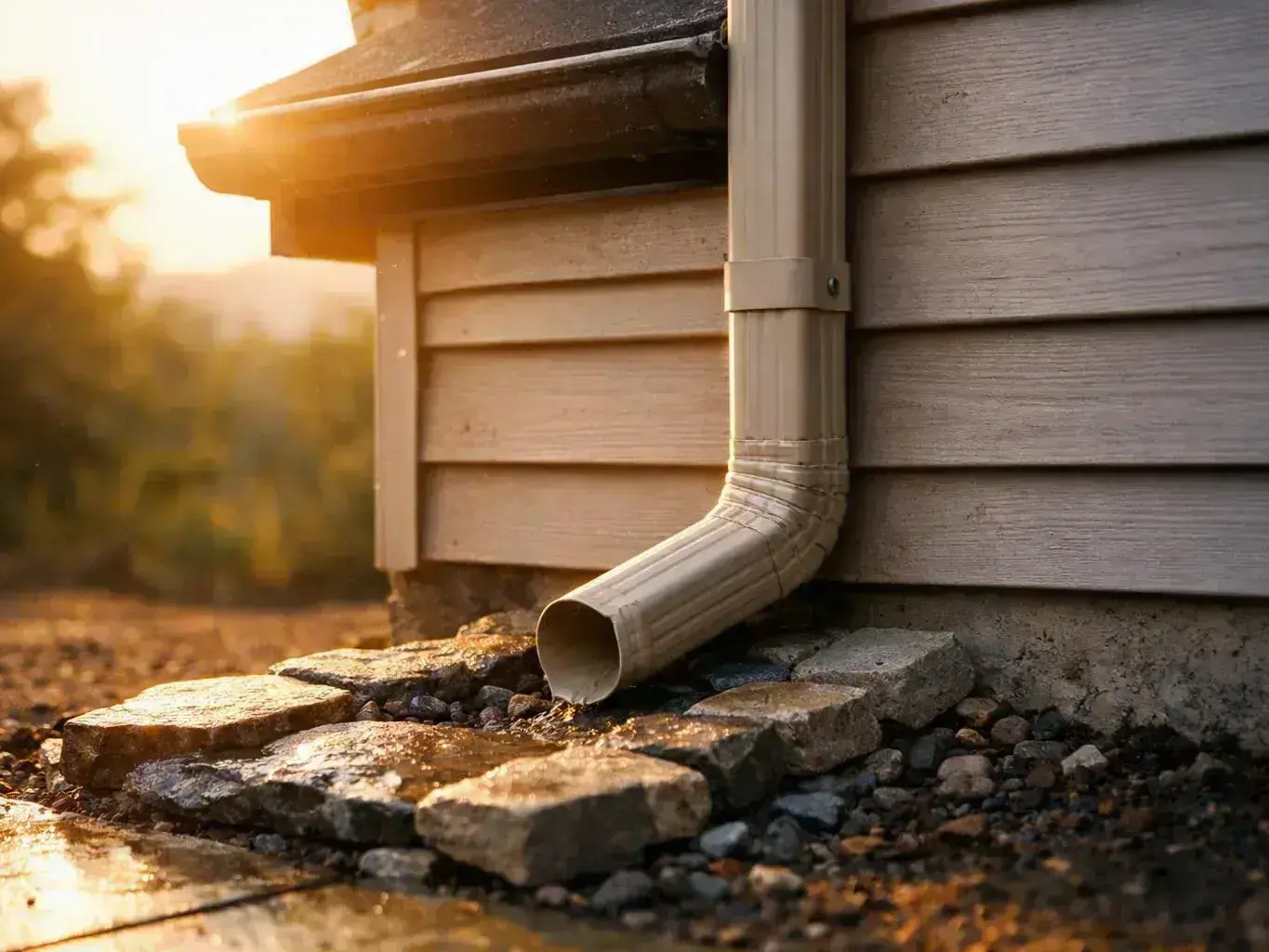
Regular inspections and care are key to identifying potential issues before they become major problems. In Arkansas, where weather conditions can be variable, it's important for commercial property owners to stay active in maintaining their gutter systems. This includes maintaining gutters regularly, assessing for signs of wear, and resolving any issues quickly to prevent more degradation.
What are the most common types of gutters used in Arkansas?
The most common types of gutters used in Arkansas include K-style, half-round, and box gutters. These styles are picked based on the specific demands of the commercial property and the local climate. K-style gutters are common for their deep channel and modern design, while half-round gutters are often used in historic or historic buildings. Box gutters are often found on larger commercial structures that require high-capacity runoff control.
How do weather patterns in Arkansas affect gutter installation?
Arkansas climate conditions, including heavy rainfall, temperature fluctuations, and occasional storm events, have a major effect on gutter installation. The state's average annual rainfall, which can reach up to 50 inches in cities like Little Rock, requires gutters that can handle large volumes of water. Temperature changes can also impact gutter performance, as extreme heat or cold can cause materials to expand or contract, leading to potential damage. Storm conditions, such as high winds and hail, add to the difficulty the durability of gutter systems, making it crucial to opt for the right materials and installation techniques.
What components are best suited for Arkansas weather?
Materials ideal for Arkansas weather include aluminum, steel, and copper. Aluminum gutters are easy to handle and corrosion-resistant, which makes them a popular choice for industrial buildings. Steel gutters offer greater strength and are ideal for locations with significant precipitation or common storm events. Copper gutters are famous for their resilience and looks, though they are more expensive than other options. Picking the suitable material makes sure the gutter system can endure the state's unique weather conditions.
What is the average price of gutter installation in Arkansas?
The average price of gutter installation in Arkansas ranges from $10 to $20 per running foot for professional solutions. Total costs can vary depending on the scale of the structure, the kind of supplies used, and the difficulty of the installation. In metropolitan areas like Fayetteville and Springdale, where corporate growth is active, organizations may discover that regional contractors offer favorable pricing for gutter setup. https://md.interhacker.space/y81x5FNhS8uHcDhmnj8unQ While the initial investment may be considerable, adequately installed gutters help stop moisture damage and reduce long-term support charges.
How regularly should gutters be washed in Arkansas?
Gutters in Arkansas should be cleaned at least twice a year, typically in the spring and fall, to remove debris and prevent clogs. In areas with heavy rainfall, such as Little Rock, more frequent cleaning may be necessary to ensure that the system functions properly. Regular maintenance helps prevent water damage, prolongs the lifespan of the gutter system, and ensures that the building remains protected from the region's unpredictable weather conditions.